The Return Home Initiative
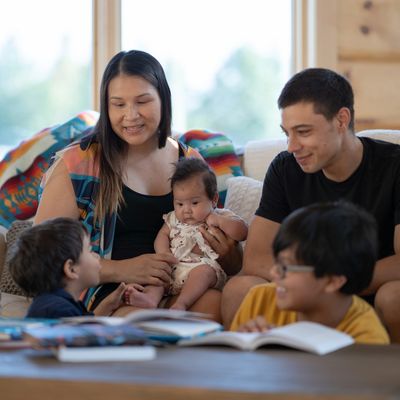
Reuniting our families
Indigenous youth continue to be dramatically overrepresented in the child welfare system. Despite representing a small portion of the population, Indigenous children are still being removed from their families at alarming rates. This reality reflects the lasting impacts of colonization, intergenerational trauma, and systems that too often separate children from their families, culture, and identity.
When a young person is removed from home, they do not lose only a place to live. They lose daily connection to family, community, language, tradition, and a sense of belonging. Too often, youth enter care without the cultural grounding, emotional continuity, or individualized support required to heal and thrive.
At Indigenous Youth Services, we believe that young people belong with their families and within their communities whenever it is safe and possible. The Return Home Initiative was created to support that belief through intentional, culturally grounded care that prepares youth to reconnect and return home with dignity.
Personalized Support Model
The Return Home Initiative brings consistent, individualized support directly to youth wherever they are living. Whether a young person is in a group home, foster placement, institutional setting, or another out of home environment, support is provided in a way that centers their identity, experiences, and needs.
Rather than waiting for youth to fit into rigid systems, this initiative adapts to them. Care is relational, culturally grounded, and focused on building emotional stability, confidence, and connection over time.
consistency is key!
Healing requires consistency. Yet traditional care systems often reset support each time a placement or environment changes. The Return Home Initiative was designed to prevent that disruption.
Through a combination of virtual and in person support, youth remain connected to trusted relationships and guidance even as circumstances change. Progress is carried forward rather than lost, and youth are not forced to start over with each transition.
CareLink, our virtual support platform, plays a key role in maintaining this continuity. Youth stay connected to mentors, cultural programming, and emotional support through secure messaging, virtual check ins, and ongoing engagement. This ensures that care remains stable during times that are often marked by uncertainty.
In Person Care Wherever they are
While virtual support provides continuity, in person presence is essential for meaningful connection. Our team works directly with youth in their daily environments to provide hands on, trauma informed support.
This includes individualized mentoring, behavioral and emotional support, collaboration with caregivers and staff, and preparation for reunification with family and community. Care is delivered with respect, consistency, and a deep understanding of the youth’s lived experience.

Cultural COnnections
Culture is central to identity and healing. For Indigenous youth, reconnection to culture supports emotional regulation, resilience, and a sense of belonging.
The Return Home Initiative supports youth in reconnecting with culture through teachings, traditions, language, stories, and community connections. These experiences help youth rebuild pride in who they are and where they come from, creating a strong foundation for long term stability.
Returning Home With Support
The goal of the Return Home Initiative is to help youth return home in a way that is safe, supported, and meaningful. Reunification is not treated as a single event but as a process that requires preparation, guidance, and ongoing care.
Families, caregivers, and community supports are engaged throughout the process to ensure youth are not returning to isolation but to connection. Support continues as youth transition home, helping families strengthen relationships and build stability together.
Bringing Youth Home
The ultimate goal of the Return Home Initiative is to bring Indigenous youth back home to family, community, culture, and identity.
We work closely with caregivers, community supports, and family members to ensure that every step toward reintegration is safe, meaningful, and supported.
Our hybrid model provides stability during care and creates a foundation of trust, resilience, and cultural strength that empowers the youth to return home successfully.
Youth are not left behind. They are not forgotten. They are supported, seen, and guided every step of the way.